
Caffeine
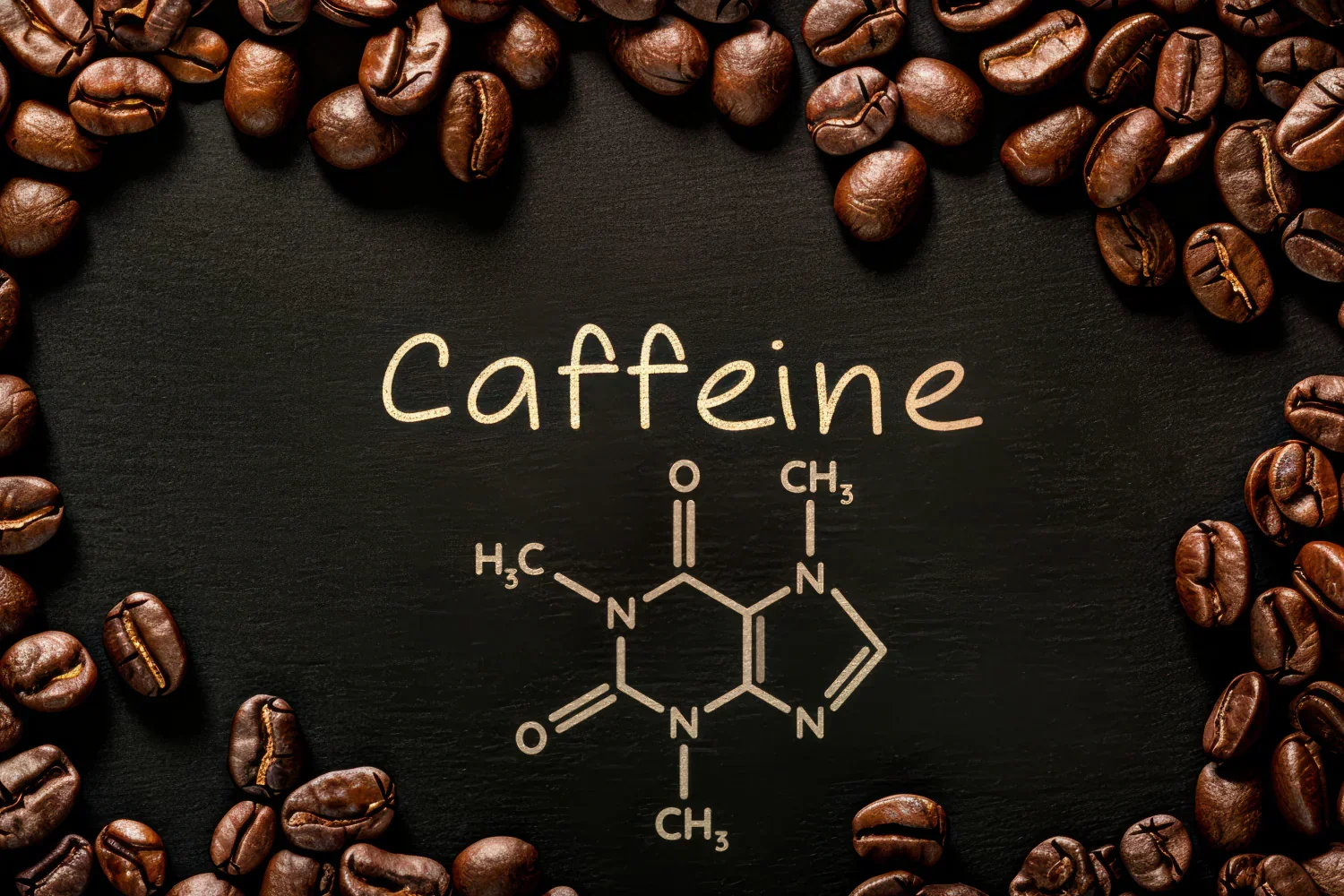
The Energy Behind Your Coffee
For many of us, coffee is synonymous with energy, the comforting boost that helps us start the day or stay focused through long hours. The secret to this invigorating effect lies in one key ingredient: caffeine. But what exactly is caffeine, and how does it influence our body and mind?
What Is Caffeine?
Caffeine is a natural stimulant found in coffee beans, tea leaves, cacao pods, and several other plants. In coffee, it acts as nature’s energy agent, helping the plant repel insects while giving us that welcome burst of alertness. Chemically, caffeine belongs to a group of compounds called alkaloids and works by blocking adenosine, a neurotransmitter that promotes relaxation and drowsiness.
Nice side fact to put all these chemical in perspective. Adenosine is often used in the ER to “reset” a hart rhythm that’s too high. People with a hart problem like AVNRT often receive a bolus injection with adenosine. It short of shockwaves the hart by a very very short relaxation of the hart mussle and in 90% of the cases normal rythm is restored. By the time it’s injected and has passed the hart and the fluid would reach your feet you are almost no longer able to measure it in your blood.
The result is increased wakefulness, sharper focus, and a mild sense of well-being that makes your morning cup so satisfying.
How Much Caffeine Is in Coffee?
The amount of caffeine in coffee can vary widely depending on the type of bean, roast level, and brewing method.
- Arabica beans contain less caffeine – typically between 0.8% and 1.5%.
- Robusta beans contain nearly twice as much, from 1.7% to 3%.
This difference explains why Robusta-based coffees taste stronger and more bitter, while Arabica varieties offer a gentler experience. Brewing methods also matter: espresso delivers a concentrated dose per sip, whereas filter coffee offers a steadier, milder effect over a larger volume.
How much caffeine is in a cup of coffee?
How much caffeine your coffee contains varies widely: it depends on the type of coffee, the brewing method and the size of your cup. Below is an overview of the most common coffee types.
| Serving | Caffeine in mg (indicative) |
|---|---|
| Espresso (30 ml) | 60–80 mg |
| Filter coffee (120 ml) | 90–120 mg |
| Instant coffee (120 ml) | 60–85 mg |
| Decaf (120 ml) | 2–5 mg |
| Ristretto (20 ml) | 50–65 mg |
| Americano (120 ml) | 60–100 mg |
| Cold brew (240 ml) | 150–240 mg |
| Cappuccino (150 ml) | 60–80 mg |
| Latte (240 ml) | 60–80 mg |
| Can of Red Bull (250 ml) | 80 mg |
| Can of Monster Energy (500 ml) | 160 mg |
| Can of Coca-Cola (330 ml) | 33 mg |
The caffeine level is determined by the time the water has (during brewing) to extract caffeine from the coffee…”
The Effects of Caffeine
In moderate amounts, caffeine can improve concentration, boost mood, and enhance physical performance. It stimulates the central nervous system, increasing heart rate and blood flow, which can make you feel more awake and energised.
However, too much caffeine may lead to restlessness, disrupted sleep, or increased heart rate. Most health authorities suggest that up to 400 mg of caffeine per day, roughly four to five cups of brewed coffee, is safe for most healthy adults.
Decaffeinated Coffee – The Softer Option
For those who love the taste of coffee but prefer less stimulation, decaffeinated coffee provides the perfect alternative. Modern decaffeination processes remove most of the caffeine while preserving the rich flavour and aroma of the beans, allowing you to enjoy your coffee at any time of day.
Finding Your Balance
Whether you rely on your morning espresso to kick-start the day or prefer a gentle afternoon brew, understanding caffeine helps you make informed choices about your coffee habits. It’s all about balance savouring the pleasure and energy that coffee provides while listening to your body’s natural rhythm.